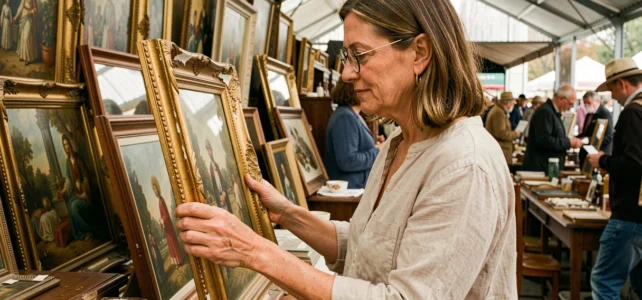
The Saint-Ouen flea market is not visited like a shopping mall. Each covered market operates according to its own logic of specialization, negotiation codes, and supply rhythms. Understanding this segmentation before stepping into a shop radically changes the quality of the items you will bring back.
Segmentation of Covered Markets in Saint-Ouen: Specializations and Pricing Positions
The Saint-Ouen flea market does not form a homogeneous block. The site is organized into several covered markets with distinct identities, spread over several hectares. Each market attracts a different type of merchant and clientele.
The Paul Bert Serpette market concentrates antique dealers focused on high-end furniture, period lighting, and decorative arts. Prices reflect sourcing and restoration efforts. Sellers know the provenance of their pieces and often document the history of the objects.
The Malik market, on the opposite end of the spectrum, remains the territory of second-hand clothes, vintage streetwear, and budget fashion accessories. This is where buyers come looking for volume and impulsive finds. The Vernaison market is distinguished by its narrow aisles where generalist antique dealers, faience specialists, and curiosity sellers coexist.
We observe that visitors who browse the shops of the Clignancourt market without knowing this map miss entire markets, failing to identify the one that matches their search.
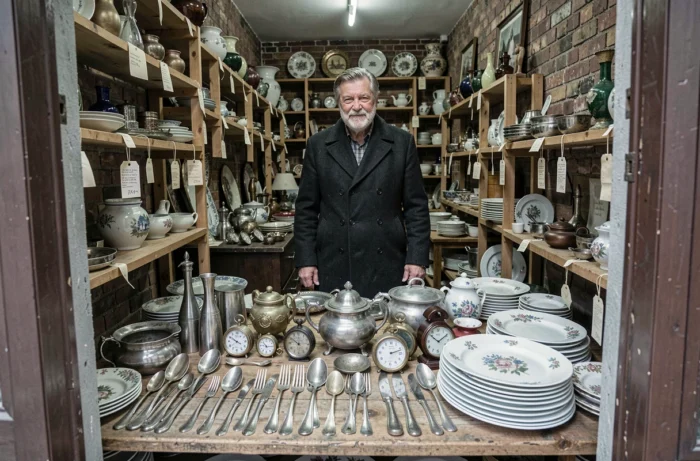
Sales Rhythms and Buying Strategies by Day in Clignancourt
The visiting calendar directly influences the nature of the available items and the negotiation margins. Monday attracts more knowledgeable buyers, professional decorators, and resellers who prefer a reduced flow to examine unsold arrivals from the weekend.
Saturday and Sunday concentrate tourist traffic. The aisles become crowded by late morning, complicating access to the narrowest shops in Vernaison or Dauphine. For a thoughtful purchase of furniture or art, these days require arriving early, before the merchants have finished setting up.
Variations in traffic are not just a matter of comfort. They alter the power dynamics in negotiation. A seller facing a continuous flow of visitors on Sunday afternoon has no reason to lower their price. The same seller, at the end of the day on Monday, will be more open to a reasonable offer on a bulky item.
Best Times to Seek Rare Items
Antique dealers refresh their stock at the beginning of the week, after weekend sales. Saturday morning remains the best time to spot new items displayed in the windows. Monday is for negotiation, not discovery.
- Saturday before 10 AM: fresh arrivals, widest selection, little room for negotiation
- Sunday afternoon: maximum crowd, firm prices, but lively market atmosphere
- Monday morning: residual stock from the weekend, sellers more available to discuss provenance and condition of items
Art, Vintage Fashion, and Collectibles: Three Distinct Sectors
Grouping everything offered at the flea market under the term “finds” erases the very different market logics that structure each sector.
The art sector (paintings, lithographs, sculptures) follows pricing and networks of gallery owners. Merchants in the Paul Bert market or the Dauphine Gallery work with auction sales databases. Negotiating in this sector without knowing reference prices risks overpaying or, paradoxically, offending the seller with a too-low offer.
The vintage fashion sector operates on fast trend cycles. A ready-to-wear brand from the 1990s can see its value double in a few months due to social media effects. Sellers in the Malik market adjust their prices accordingly, sometimes from one week to the next.
Collectibles (dinnerware, vintage toys, advertising posters) follow a niche logic. Expertise is built over years of attendance. It is in this category that true finds still exist, because the value of an item depends on knowledge that not all sellers possess.
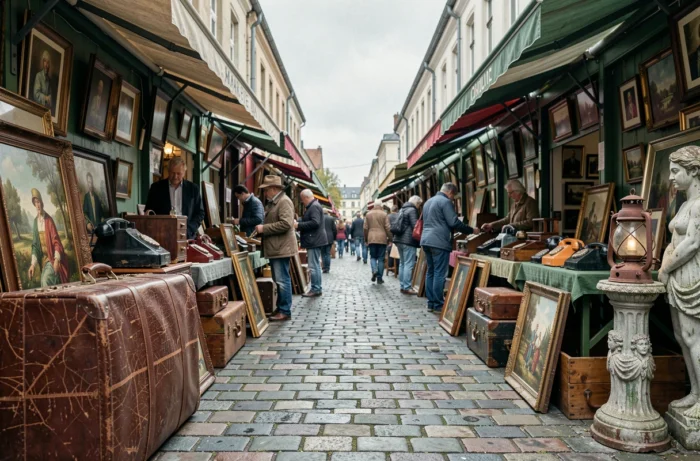
Cultural Events at the Saint-Ouen Flea Market: Beyond Shopping
The flea market is no longer limited to buying and selling. The cultural programming is gradually transforming the site into a living heritage space. The Fête des Puces is scheduled for September 24, 2026, an annual event that combines entertainment, guided tours, and exceptional openings of shops usually closed to the public.
The Dauphine Gallery will host the hyperLOFT exhibition from September 24, 2026, to January 31, 2027, with an opening planned during the Fête des Puces. This type of event attracts a different audience from the usual bargain hunters and creates bridges between contemporary art and flea market heritage.
For visitors planning a trip, timing their visit with one of these events allows for a combination of classic bargain hunting with programming that enriches the understanding of the place.
- Fête des Puces (September 24, 2026): activities throughout the site, access to areas usually reserved
- hyperLOFT exhibition at the Dauphine Gallery: from September 24, 2026, to January 31, 2027
- Occasional openings in the galleries of the Paul Bert and Dauphine markets throughout the year
The Saint-Ouen flea market rewards those who return. Knowledge of the terrain takes precedence over budget: a regular visitor with a trained eye will find more than an occasional buyer willing to spend without reference points. The place evolves, with new exhibitions and constant stock renewal, making it a vibrant market where each visit differs from the last.