The French wedding market in 2026 is structured around tighter budget constraints and aesthetic choices that break away from the terracotta/sage cycle of recent seasons. The Vows & Venues study (Hyatt) estimates the ideal wedding for the French at 33,465 euros, a significant increase, primarily driven by those aged 18-34. Understanding where spending is concentrated and the stylistic choices made helps frame a coherent project from the design phase.
Wedding Budget 2026: Self-Funding and Itemized Trade-Offs
More than half of couples now finance between 50 and 70% of the budget from their own savings. Parental contributions are shifting towards a single flat amount, rather than covering expenses item by item. This change in model has a direct effect on the scenography: couples are making trade-offs earlier, sacrificing certain decorative elements in favor of guest experience or the reception venue.
We observe that this self-funding logic encourages couples to reduce the guest count to increase the budget per attendee. A wedding for 60 people with a high-end caterer is gradually replacing the reception for 120 with a standard buffet. The consequence for service providers: more precise quote requests, line-by-line comparisons, and almost zero tolerance for unannounced extras.
To keep track of these developments throughout the season, we recommend discovering the latest on Le Blog Mariage, which regularly covers feedback from industry professionals.
Reception Venues in France: Historic Properties vs. Five-Star Hotels
The Vows & Venues study confirms that about 79% of the French would choose France as their wedding destination. Preference is split between two types of venues that do not meet the same logistical constraints.
Historic properties and country houses remain the dominant choice for couples who want to control the entire scenography: rented furniture, external catering, custom lighting. Control is total, but so is the coordination burden.
Five-star hotels are gaining ground among those aged 18-34. The appeal lies in an integrated package (guest accommodation, catering, day-of coordination) that simplifies production. The trade-off is on personalization: hotel reception rooms often impose constraints on furniture, sound systems, and time slots.
Selection Criteria to Consider Before Signing
- Actual seating capacity with a dance floor, not just the standing capacity displayed by the venue
- Noise policy and allowed end time, which affects the choice of DJ or band
- Exclusivity of the venue for the entire weekend or sharing with another event the following day, impacting the teardown
- Accessibility for external vendors (caterer, florist, photographer) without corkage fees or access charges
Color Palette and Artistic Direction for Weddings 2026
Teal is one of the shades that marks the season. We recommend not using it as a flat color across the entire decorative setup. Teal works well as an accent on table linens and stationery, paired with a neutral base (natural linen, off-white, greige).
The break from terracotta does not mean abandoning warm tones. The most successful combinations we see in the field marry teal with patinated copper or deep burgundy. A common pitfall: overloading the palette by adding a fourth color that dilutes visual coherence.
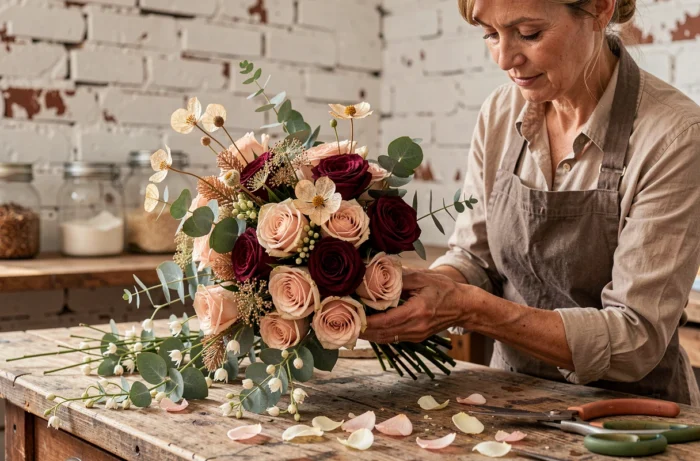
Table Art and Floral Composition
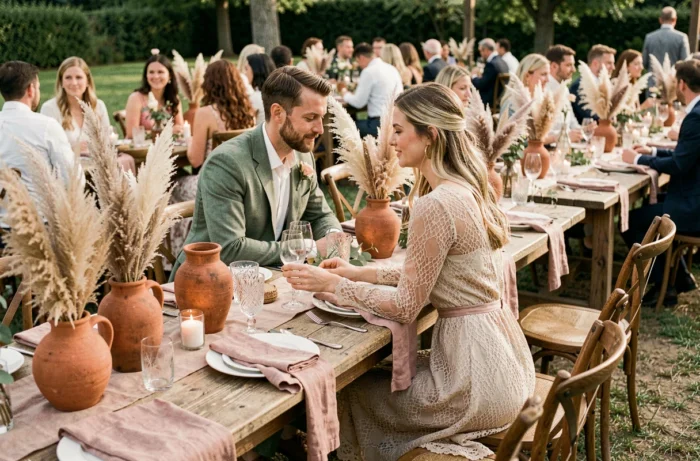
The return of structured table art marks a clear turning point. Mismatched plates are giving way to coordinated sets, often rented from specialized houses. Dinnerware becomes a full-fledged scenographic element, not just a functional support.
On the floral side, the trend towards local and seasonal flowers is hardening. Sculptural, tall arrangements are replacing the low greenery tablecloths that have dominated for the past three years. The cost of these vertical installations is higher per bouquet, but the number of arrangements needed decreases because the visual impact per piece is greater.
Ceremony and Guest Experience: Choices that Change the Atmosphere
The unplugged ceremony is moving beyond mere curiosity. We see it as a production choice as much as an ambiance choice. The absence of smartphones during the civil ceremony changes the dynamics among guests: collective attention transforms the emotional quality of the moment.
Practically, this requires a clear signage panel at the entrance of the ceremony venue, a verbal reminder from the officiant, and a single photographer appointed to cover the entire sequence. Without this organization, the instruction remains unheeded.
Mobile bars are another lever for guest experience. A roaming cocktail bar between the cocktail hour and dinner creates a smooth transition and avoids the classic 45-minute lull where guests wait without activity. This format works particularly well in outdoor venues where movement between spaces is natural.
- Plan for a ratio of one bartender for 40 to 50 guests to maintain an acceptable wait time
- Limit the menu to three or four signature cocktails rather than a long list that slows down service
- Include an elaborate non-alcoholic option (shrub, homemade kombucha) that is not just a default fruit juice
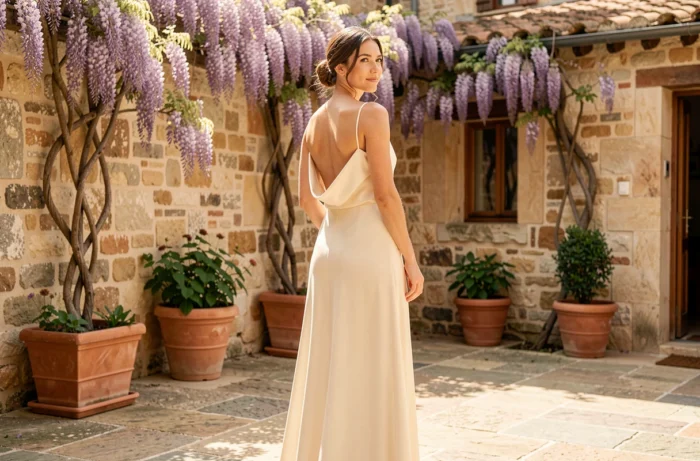
Couples are redefining the dress codes of the ceremony according to their own criteria, independent of inherited conventions. The wedding dress remains the most emotionally significant element, but classic accessories are now optional, not expected.
The 2026 season rewards couples who focus their budget on fewer, better-executed elements. A venue suited to the actual guest count, a tightened color palette, a ceremony designed for collective attention: these three axes structure a wedding that is more readable for guests and more manageable for service providers.