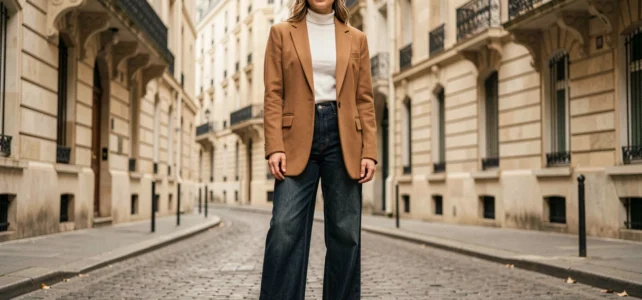
The spring-summer 2026 shows have delivered their verdict, and the pieces circulating on social media are plentiful. Fashion trends, colors, cuts, accessories: the volume of information is dizzying. The real challenge is no longer spotting what is in style, but sorting out what deserves a lasting place in an already established wardrobe.
Urban layering: the fashion trend that changes proportions
Layering is no longer just about throwing a sweater over a shirt when the temperature drops. This season, layering becomes a premeditated exercise in proportions. InStyle Germany describes precise combinations: long coats worn over short blazers, fine satin dresses slipped over fluid trousers.
The benefit of this approach goes beyond aesthetics. It allows for recycling pieces already present in the wardrobe without having to buy a complete new one. A mid-length trench worn open over a short colored jacket alters the silhouette without requiring an additional budget.
Field reports diverge on one point: layering works best with fine and flexible materials. Stacking thick fabrics creates volume in the wrong places. Prioritizing satin, fine knit, or lightweight cotton keeps the silhouette readable, even with three layers.
Fashion trend enthusiasts who follow fashion on Beauty Health will find this layering logic applied across various styles, from casual to more dressed up.
Viral pieces vs. sustainable wardrobe: where to draw the line
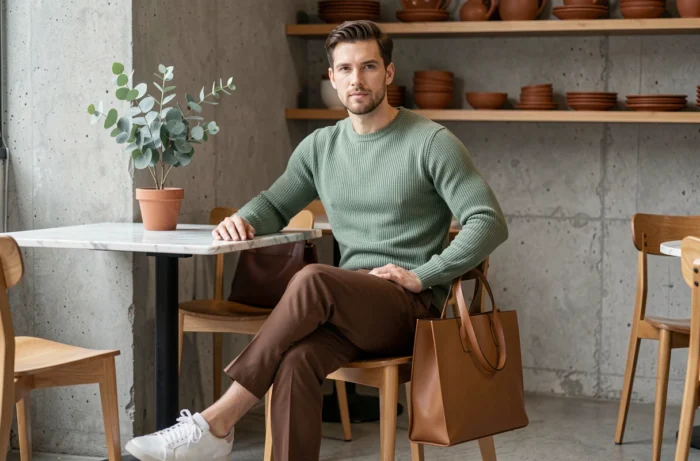
Each season produces its viral pieces. The barrel jeans, the long pleated skirt, flip-flops worn in the city: these trends capture attention because they circulate massively. Stylist even presents the urban flip-flop as one of the strong inspirations for spring-summer, with city-wear proposals that would have seemed unthinkable two years ago.
The trap of “all-trendy” closes quickly. Buying five viral pieces each season amounts to renewing half of your wardrobe every year. The financial cost is real, and so is the environmental impact.
A more calibrated approach is to limit purchases of very distinctive pieces to one or two per season and to systematically pair them with basics already owned. A classic beige pant effortlessly absorbs a trendy top in bright colors. A denim jacket, a stable piece in the wardrobe for decades, tempers any more eccentric item.
Pieces that last through multiple seasons
Some current trends have a longevity potential above average. The oversized sweater, for example, works just as well in spring in a fine version as in autumn-winter in thick knit. Neutral colors (beige, off-white, faded blue) offer more combinations than a color very identified with a specific season.
- The oversized blazer in lightweight fabric works from spring to autumn without style modification
- The fluid midi dress can be worn alone in summer, then layered over pants or under a coat come fall
- Discreet accessories (fine jewelry, structured medium-sized bags) complete a trendy look without dating it
Colors of the season: butter yellow, terracotta, and the return of eighties shades
Butter yellow dominates the editorial selections for spring-summer 2026. This soft hue stands out from the bright yellows of previous seasons by its ability to integrate into everyday outfits. Butter yellow works as a warm neutral, pairable with white, beige, or raw denim.
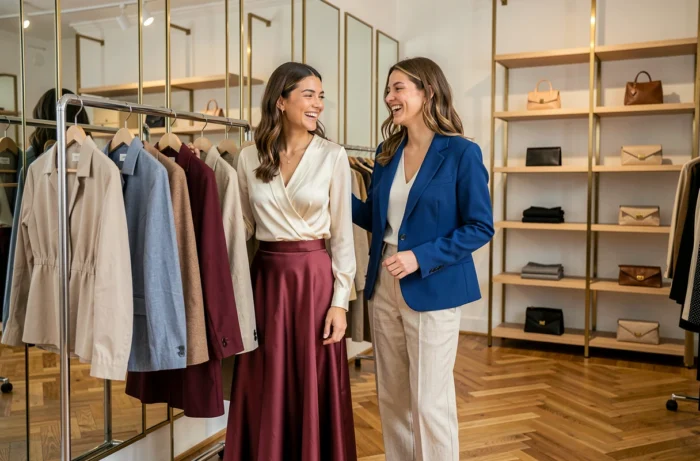
Meanwhile, references to the 1980s are resurfacing. Stylist notes that fashion is falling in love with this decade again after years of obsession with the codes of the 2000s. Marked shoulder pads, structured cuts, and saturated colors are coming back, but in more measured proportions than back then.
The available data does not allow us to conclude whether these shades will remain after the fall. Colors very identified with a season often disappear within a few months. In contrast, terracotta tones, closer to autumn palettes, have a good chance of remaining relevant beyond summer.
Embracing fashion trends without sacrificing real comfort
Comfort is no longer a niche argument. Loose cuts (barrel, wide leg, oversized) occupy a dominant place in this season’s collections. This movement responds to a structural demand: after years of skinny and fitted cuts, the pendulum has swung in the opposite direction.
The risk with very wide cuts is losing all structure. A barrel pant worn with an oversized top and flat shoes can flatten the silhouette. Pairing a loose piece on the bottom with a more fitted piece on top (or vice versa) remains the most reliable method to maintain visual balance.
- Fitted top + wide pants: balanced proportions, suitable for most body types
- Fluid belted dress: retains the comfort of loose fabric while defining the waist
- Structured blazer over a soft t-shirt: the formal/casual contrast avoids the pajama effect
- Thick-soled shoes under a long skirt: visually compensates for the volume on the bottom
The mirror test before heading out
A simple rule circulates in stylist circles: if more than three pieces worn simultaneously are identified as “trendy of the season,” the look resembles more of a catalog than a personal style. Two trendy pieces maximum per outfit are enough to appear current without losing coherence.
Sustainable style is not built by following every micro-trend. It is built by selecting pieces that work with what already exists in the wardrobe, season after season. Trends come and go, but the wardrobe remains.